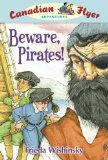
The exciting Canadian Flyer Adventures time travel series for grade two has all the elements needed for success – action, adventure and fun. Generously illustrated, readers will be captivated while learning history
When young friends Emily and Matt climb a rickety spiral staircase, they discover an intriguing room filled with wonderful treasures. They are excited to imagine where and when each originated. When they sit on an old red Canadian Flyer sled, their time travel adventures begin.
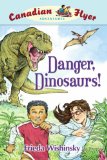
In Book One of the Canadian Flyer Adventure series, they are transported to the Far North circa 1577. They find themselves aboard Martin Frobisher’s pirate ship and later help to rescue an Inuit man.
In Book Two, they face dangers during the time of dinosaurs.
I read and enjoyed both books. Likely intended for children who are reading at about a grade two to three level, the series is generously illustrated and quite exciting. Extra features include additional facts, an interview with the author and a preview of the next book in the series for grade two. It is great to see a series like this. The Canadian Flyer Adventure series will be enjoyed by young readers everywhere but will have a special appeal for Canadian children and those who gravitate toward history or time travel.
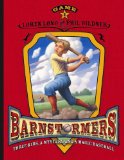
Game 1 Barnstormers written by Phil Bildner and illustrated by Loren Long
A while back, I had an opportunity to read and listen to the first book in a new historical fiction series for 7 -10 year olds. Game 1 (Barnstormers) introduces three siblings who travel with a barnstorming baseball team, The Travelin’ Nine.
Set in 1899, the first book in the series leaves us with more questions than answers: we know the children’s father died in the war and that he possessed a mysterious baseball but it unclear why the ball is significant. We also hear their uncle’s warning that great danger lies ahead but so far have only encountered mysterious visions and sounds.
For children who are fascinated with baseball and how it was played 100+ years ago,this series may yet prove very appealing. Personally, I was frustrated that the author left me stranded on second base – with many, many unanswered questions.
Whether your child struggles with grade three reading or not, this is an enjoyable, generously illustrated chapter book
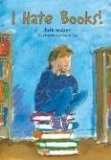
I Hate Books! written by Kate Walker Generously illustrated chapter book published by Cricket Books
Hamish is blessed with a Grandpa who reads aloud “with lots of expression”. When Hamish was little, he loved books but the love affair ends when he begins grade three reading and his teacher asks him to read aloud. Before long, Hamish is referred to a reading specialist and it is confirmed that he has been making up stories rather than reading the words on the page.
After struggling with flash cards and remedial reading, Hamish decides that life will be fine – whether he learns to read or not. It takes a disastrous family road trip, an embarrassing birthday party and a persuasive older brother to change Hamish’s mind.
Happily, Hamish overcomes his struggles and eventially earns a prize for “most improved reader.”
Over the past couple of weeks, I’ve put aside the picture books and early chapter books and read two interesting books for middle grade readers that feature time travel. Suggested for children in grades six through nine, also referred to as middle grade readers, I have some reservations about the age range but enjoyed each of the books thoroughly.
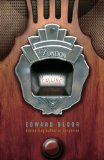
London Calling written by Edward Bloor Middle Grade Fiction published by Alfred A. Knopf
In London Callingby Edward Bloor, the central character is a seventh grade student at a private school in New Jersey. Hating school and disconnected from his family, Martin is sleeping his life away. When his grandmother dies, he is bequeathed a beautiful Philco Deluxe Art Deco radio. After he “started sleeping with the radio on … A boy – small,thin, dressed in mud-brown clothes – leaned out from behind the radio and whispered, “Johnny, will you help me?”.
At first fearful of the recurrent dream, through research, Martin confirms that his nighttime visitor is transporting him to 1940 London. Soon his directionless days become purposeful as he works to research dates, places and identities. Repeated visits to the wartorn city help him to understand how he can “help.”
I thoroughly enjoyed the book and particularly the portions set in the London Blitz. Having said that, I was disappointed by the following exchange,
“I keep it hidden under my bed.” she smiled devilishly. “Perhaps you should check under there.” The General stared at her dumbly. Then he smiled back, slowly, acknowledging the joke. “Uh-huh. Sounds like I’d better.”
As much as I enjoyed the book, I’m just not sure some of the nuances will have meaning for middle grade readers aged 12, 13, 14. Is an allusion like this appropriate or necessary for a book intended for children in grades six through nine?
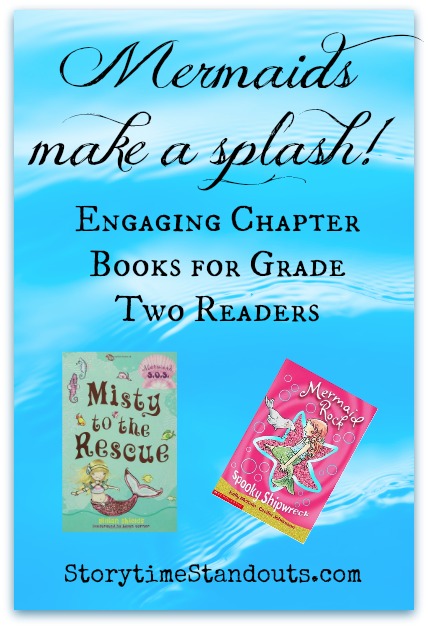
The long weekend meant travel for our family. It was a perfect opportunity for me to check out a number of new titles for young readers. I chose to read six books intended for children who are between the ages of six and nine and are reading grade two chapter books. At this reading level, we find many series for newly independent readers to enjoy. Most grade two chapter books are generously illustrated. Series like Mermaid Rock and Mermaid S.O.S. are great because they draw children into reading multiple books. Keep in mind, at this stage, our priority is to have children to gain confidence and experience reading independently andto want to read.
Mermaid Rock Spooky Shipwreck is one of four Mermaid Rock undersea adventures that will appeal to young, female readers. Generously illustrated (in colour) the book is divided into three chapters. Most of the text is easily decodable. There are a few challenging words. ‘Skulked‘, ‘chiselling‘ & ‘daydreaming‘ add to a pleasant adventure tale.
S.O.S. Misty to the Rescue is part of a six-book grade two chapter book series. Beautiful Coral Kingdom is protected by magic crystals. Six courageous young mermaids have taken on an important challenge; they must locate six replacement crystals and deliver them to Queen Neptuna before the Merfolk loose strength.
Need to find a new series for middle grade readers?
Michelle Paver’s books: Wolf Brother, Spirit Walker and Soul Eater sat unread on my bookshelf for far too long. These days, they are rarely in my office. These are the first three titles in a terrific series for middle grade readers. I have loaned each of them to many, many kids and, without exception, the books are devoured and the series is completed.
Wolf Brother is captivating, it has the perfect combination of tension and excitement. Set in primitive times, Wolf Brother begins when young Torak’s father is killed by a terrible demon – a huge bear that has been possessed by a creature from the Other World. Now, orphaned, Torak adopts a wolf cub and discovers he can communicate with this new ally. Together, they begin a seemingly impossible quest; to reach the Mountain of the World Spirit.
The Chronicles of Ancient Darkness is a terrific series for middle grade readers. I strongly recommend it – especially for boys. Relatively short chapters, a fascinating setting and terrific tension make for a series that appeals to many reluctant readers.
ABC Canada Literacy Foundation has identified ‘three potential reading slump times that can hinder a child’s reading development. ‘ Grade four is one of those times. Grade four is just about the time that readers encounter longer chapters, smaller print and more complex vocabulary.
We lose some readers in the transition. My two boys are nine and twelve – one loves to read and one loves to “do” so I know that finding engaging books is critical for this age group. As well, I probably read more kids’ books than most moms so I’m often asked for book recommendations for middle grade boys. Many of the best series for this age group are funny (occasionally rude), action-packed, irreverent and some are very generously illustrated. The books often feature kids who find themselves in trouble – at school, at home, sometimes even in the library.
With nine, ten and eleven year old reluctant readers, we need to keep our goal in mind: get books (almost any books!) into their hands and encourage them to read.
Concurrently, in an ideal world, parents will continue to read aloud more challenging and diverse books – but that is for another day.
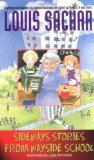
Sideways Stories from Wayside School – Written by Louis Sachar (author of Holes) I have had great success with this book. The wacky humor and very short chapters are very appealing to kids. Each chapter tells about one student at Wayside School – you don’t have to read them in order so kids can jump around the book if they wish.
Books in the Wayside School Series Sideways Stories From Wayside School Wayside School is Falling Down Wayside School Gets A Little Stranger
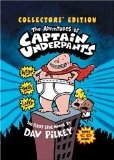
The Adventures of Captain Underpants– written by Dav Pilkey Have you ever met a boy who didn’t enjoy the ‘Action, Thrills, and Laffs of a Captain Underpants book? With rude humor and tons of illustrations, this series is great for even the most reluctant reader. Just don’t tell your kids that the series is mom approved – that would spoil the fun!
Books in the Captain Underpants Series silliness and rudeness are perfect for middle grade readers The Adventures of Captain Underpants Captain Underpants and the Attack of the Talking Toilets Captain Underpants and the Invasion of the Incredibly Naughty Cafeteria Ladies from Outer Space (and the Subsequent Assault of the Equally Evil Lunchroom Zombie Nerds) Captain Underpants and the Perilous Plot of Professor Poopypants Captain Underpants and the Wrath of the Wicked Wedgie Woman Captain Underpants and the Big, Bad Battle of the Bionic Booger Boy, Part 1: The Night of the Nasty Nostril Nuggets Captain Underpants and the Big, Bad Battle of the Bionic Booger Boy, Part 2: The Revenge of the Ridiculous Robo-Boogers Captain Underpants and the Preposterous Plight of the Purple Potty People Captain Underpants and the Terrifying Re-Turn of Tippy Tinkletrousers Captain Underpants and the Revolting Revenge of the Radioactive Robo-Boxers Captain Underpants and the Tyrannical Retaliation of the Turbo Toilet 2000
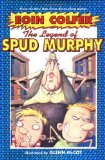
The Legend of Spud Murphy – written by Eoin Colfer (author of the Artemis Fowl series) When Will and Marty Woodman are told they must spend the summer in Spud Murphy’s Library, they know it will be a dangerous assignment. They’ve heard about the ‘gas-powered spud gun she keeps under her desk.’ Really good fun and a positive message about books and reading!
Books in the Legends of Series – popular with grade four boys Eoin Colfer’s Legend of Spud Murphy Eoin Colfer’s Legend of Captain Crow’s Teeth Eoin Colfer’s Legend of the Worst Boy in the World
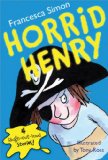
Horrid Henry’s Wicked Ways – written by Francesca Simon One of my nine year old’s favorites, Horrid Henry really is ‘awesomely wicked.’ It is the perfect antidote when you’ve had a rough day and you long to hear about someone who can relate to your troubles.
Books in the Horrid Henry Series – Horrid Henry Horrid Henry and the Secret Club Horrid Henry Tricks the Tooth Fairy Horrid Henry’s Nits Horrid Henry Gets Rich Quick Horrid Henry’s Haunted House Horrid Henry and the Mummy’s Curse Horrid Henry’s Revenge Horrid Henry and the Bogey Babysitter Horrid Henry’s Stinkbomb Horrid Henry’s Underpants Horrid Henry Meets the Queen Horrid Henry and the Mega-Mean Time Machine Horrid Henry and the Football Fiend Horrid Henry’s Christmas Cracker Horrid Henry and the Abominable Snowman Horrid Henry Robs the Bank Horrid Henry Wakes the Dead Horrid Henry Rocks Horrid Henry and the Zombie Vampire Horrid Henry’s Monster Movie Horrid Henry’s Nighmare Horrid Henry Krazy Ketchup
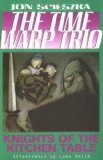
The Time Warp Trio by Jon Scieszka Featuring time travel, adventure, humor and a touch of fantasy, The Time Warp Trio is a great pick for middle grade readers. Sam, Fred and Joe use The Book to travel through time from one exciting adventure to another. I’ve had very good success drawing boys into this series. There is something for everyone: pirates, knights, neanderthals and Egyptians.
Books in the Time Warp Trio Series – Knights of the Kitchen Table The Not-So-Jolly Roger The Good, the Bad, and the Goofy Your Mother Was a Neanderthal 2095 Tut Tut Summer Reading Is Killing Me It’s All Greek to Me See You Later Gladiator Sam Samurai Hey Kid, Want to Buy a Bridge? Viking It and Liking It Me Oh Maya Da Wild, Da Crazy, Da Vinci Oh Say, I Can’t See Marco? Polo!
Stay involved with your child’s reading even middle graders: how to find the best chapter books
When our children are very young, we are often very involved in choosing picture books to share at bedtime. No doubt your child will have some favorites that she wants to hear over and over again. Hopefully you’ll find time to visit the public library and return home well-stocked with a mix of books, some chosen by your children and some that you’ve picked.
Depending on the size of the collection at your library, you may find it helpful to approach the shelves, armed with a list of authors or titles that you’d like to “check out.” To this end, I strongly suggest using a trusted source to identify some of the not-to-be-missed titles.
Award winners are often well worth a look. The Canadian Children’s Book Centre maintains lists of award winners on their website and in their annual publication; Best Books.
By the time your child is independently reading chapter books, it is tempting to “bow out” of selecting books and leave the choices to her. Hopefully, she has been blessed with a school librarian or classroom teacher who will take an active part in recommending titles.
If your middle-grade reader has difficulty finding chapter books that engage her, may I suggest getting actively involved in the search? Look for the following resources:
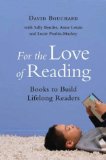
David Bouchard’s For the Love of Reading – books to Build Lifelong Readers. With the help of Sally Bender, Anne Letain and Lucie Poulin-Mackey, Mr. Bourchard provides great book ideas (500 annotated listings, some Canadian) for children of all ages. Included in the book, more than 100 French children’s books.
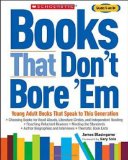
James Blasingame’s Books That don’t Bore ‘Em includes books for older children – grade 5 and up. In addition to providing annotated lists, it includes author interviews. Books That Don’t Bore ‘Em at Amazon.com
In our household, it is not at all unusual for us to talk about sex at the dinner table. Don’t get me wrong, my husband and I don’t share intimate details of our relationship, but we do talk about the science of sex with our two sons. We use anatomically correct vocabulary. We answer questions, we share facts and our values. We have always operated this way and can’t understand why more people don’t.
Talking openly about the science of sex is one way to protect children from abuse, disease and unwanted pregnancies. When we talk with our children, we pave the way for our children to talk openly with us.
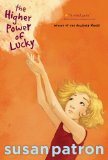
The Higher Power of Lucky written by Susan Patron
Juvenile fiction / chapter book published by Simon & Schuster Richard Jackson
There has been an uproar over Newbery Medal award winning chapter book, The Higher Power of Lucky because of a reference to a dog’s scrotum. (New York Times Column: With One Word, Children’s Book Sets Off Uproar )
I have had the pleasure to read the entire book and would have no hesitation in sharing it with either of my children.
On the first page of the book, Lucky secretly overhears Sammy relate his “rock-bottom” story… “he saw a rattlesnake on the passenger sear biting his dog, Roy, on the scrotum…”
Ten-year-old Lucky has no idea what a scrotum is and, sadly, trusts no one enough to ask. The significance of this is made more poignent when we learn more about Lucky’s circumstances: her mother died in an accident and her father has abandoned her. Lucky fears that her guardian is about to leave her and force her into an orphanage many miles from where she now lives. She fervently hopes she can find her Higher Power before hitting her own personal “rock-bottom.”
For those who understand that giving children scientific names for body parts is not sexy or sexual – award winning chapter book, The Higher Power of Lucky presents no threat. Read it and enjoy the wonderful characters, the dangerous desert setting and Lucky’s joy in finding her Higher Power.
Dads reading to boys – making the difference between reluctant male readers and voracious readers
I’d really like to take credit for the fact that both my boys love a good book. My almost-twelve-year-old is a enthusiastic reader. He is currently reading one of the Lord of the Rings books. He is especially fond of history and knows far more about World War II than I do. Most of the information has been gained through reading; fiction, non fiction, magazines and newspapers.
My younger boy (9 years) is more of a “doer” than a “reader” but he knows a great story when he hears one and we still make time to share a book or a puzzle at bedtime.
I read books aloud to the boys from the time they were six months old. We trekked to storytime at the library and were constantly borrowing books “about trucks.” There is little doubt that I was the one who planted the reading seed and carried enough stacks of books back and forth, to and from the library, to nourish it.
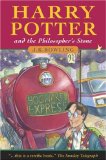
I’ve always had an interest in children’s literature and read J.K. Rowling’s Harry Potter for myself when the boys were toddlers.
Just a few years later, reading the first Harry Potter book to the boys was truly magical. We all loved the experience as a family but there was one particular moment I will always remember. My husband was headed out of town for a week and was most concerned that he might miss hearing part of the story read aloud. He cautioned us that we were not “allowed” to read ahead while he was away – he couldn’t bear the thought that he might miss even one minute of the read aloud experience.
The boys and I solved the problem by rereading four or five chapters of Harry Potter and then we all charged ahead when my husband returned.
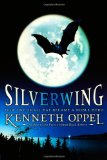
I will always be grateful for the message my husband gave his boys; he has always been eager to enjoy a good book with them (another favorite series was Kenneth Oppel’s Silverwing). But that particular incident was evidence of just how important reading with the boys is to him.
It is not at all unusual for parents of preteens to be frustrated by their boys’ lack of interest in reading. To those parents, I would say, get Dad involved in reading aloud and find wonderful books you can enjoy together. In some families, mom always reads the bedtime stories from a very young age. It can be very beneficial to change this up and for boys to observe men reading and enjoying great books. After all, we’d like our sons to choose to sit down with a great book from time to time.
Though children have to read, they don’t have to love reading. In fact, I have at least one student every year that insists they do not love it. Some even tell me they hate it. This is my favourite challenge of the school year. Watching a middle grade reader make the transition from reading for necessity to reading for pleasure is, quite simply, awesome.
With the school year fast approaching, I’m wondering who that student will be this year? Which books will hook him/her? What made him/her dislike reading? How difficult will it be to change his/her mind?
Maybe it’s my own love of reading, of character rich stories, that makes me need to see this transition take place. I want all of my students to enjoy books, to learn from them, and to feel connected with them. But it’s those kids that think they can’t find enjoyment in a book, that see reading as a chore, that intrigue me.
I am very fortunate that my own daughters have inherited a love of literature.
We foster that love by having books everywhere in our house, reading on our own and with them, and taking them to the library and book stores simply to browse. It must be something more than this, however, that hooks children on reading because I have many friends and colleagues that do the same with their children, yet reading is not their child’s first choice of activity.
For me, books are about the characters and their journey.
If I don’t connect to the characters, I’m likely to give up on the book. Children are no different; if we cannot find something that captures their attention, almost immediately, they are likely to give up. If we want to engage children in reading for pleasure, we have to know them well enough to push them in the right direction. To me, this means two things: finding books that interest our children and finding books that are at the correct reading level.
Finding interests is fairly simple because you can talk to kids and easily get a sense of what excites them. Our school librarian is fantastic for helping me find certain “types” of books that I know will appeal to different kids. What I find can be the most challenging, is getting books that interest kids, are at the appropriate level, and look like a book a grade five student should be reading. This is the age where what friends think really matters. My students don’t want to be reading some ‘babyish’ book while their friends are pulling out The Lord of the Rings
and Harry Potter . So to this end, I am eternally grateful for the graphic novel.
Vivid, bright pictures appeal to most people. Graphic novels remind me of great advertisements; they are designed to draw you in and make you feel like you need to know more. They capture the reader’s attention quickly, move at a fast pace, and yet they still retain the story elements that are part of regular novels.
I am amazed by the amount of graphic novels available in a variety of age ranges.
There are so many great series, such as Nancy Drew, Bone , Diary of a Wimpy Kid, and Amulet. You can find graphic novels that teach history and science or tell tales of favorite super-heroes. This is a huge market and it gets bigger every day. Kids are drawn to the way stories are told in speech bubbles and brief text boxes. For the reluctant reader, this genre can make reading at a lower level more appealing and less intimidating, while still managing to fit within socially acceptable appearances. That is not to say this is the best or the only form of getting kids on board with reading. In fact, it’s important to remember that getting a kid to love reading is going to depend entirely on the child in question. If the interest starts with reading the subtitles in non-fiction while looking at pictures or flipping through Ripley’s Believe It Or Not, so be it. Once they begin gravitating toward reading and changing their feelings toward the activity, making further inroads becomes easier.
It’s not always the case that students that don’t like to read are ‘low’ in this area. They may read quite well at grade level or above and simply not enjoy the task. Regardless of the ability or background reasons, I still feel compelled to at least try to change their minds.
I guess it’s natural that when we really love or enjoy something, we want to share it with others. Equally natural, is the desire to become involved in activities that excite others. The students can’t help but sense my enthusiasm for reading and perhaps, that in itself, is the hook.
I hope I haven’t generalized too much or made it sound easy to engage students in areas they’d rather avoid. It’s not easy. But if it works, if you can really hook them you get to be a part of a wonderful transition that can, quite literally, change lives.
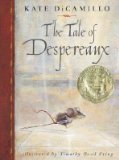
I first discovered Kate DiCamillo when I read (and thoroughly enjoyed) Because of Winn-Dixie. Very late last night, I closed the cover on The Tale of Despereaux, a great read aloud chapter book. Winner of the John Newbery Medal, this is a wonderful tale. Throughout we are reminded that, ‘nothing is sweeter in this sad world than the sound of someone you love calling your name.‘ A delight from cover to cover, read it yourself or share it with children eight years and older. There are some decidedly dark scenes that could disturb younger children.
Finding great books for 7 – 10 year olds to enjoy can be enormously rewarding. The initial learn–to-read phase is complete and we hope our children will chose to read for pleasure. When, as parents, we check to see why things are so quiet and discover our children with a book, it is indeed a special ‘a-ha’ moment.
Just as reading picture books aloud is important to very young children, it is vital that mom and/or dad continues to read aloud to emergent readers. Long after your child reads independently there are books worth exploring together. Sharing wonderful chapter books with your child will motivate him to read more challenging books. There are marvelous fantasies, legends, and mysteries for you and your child to discover.
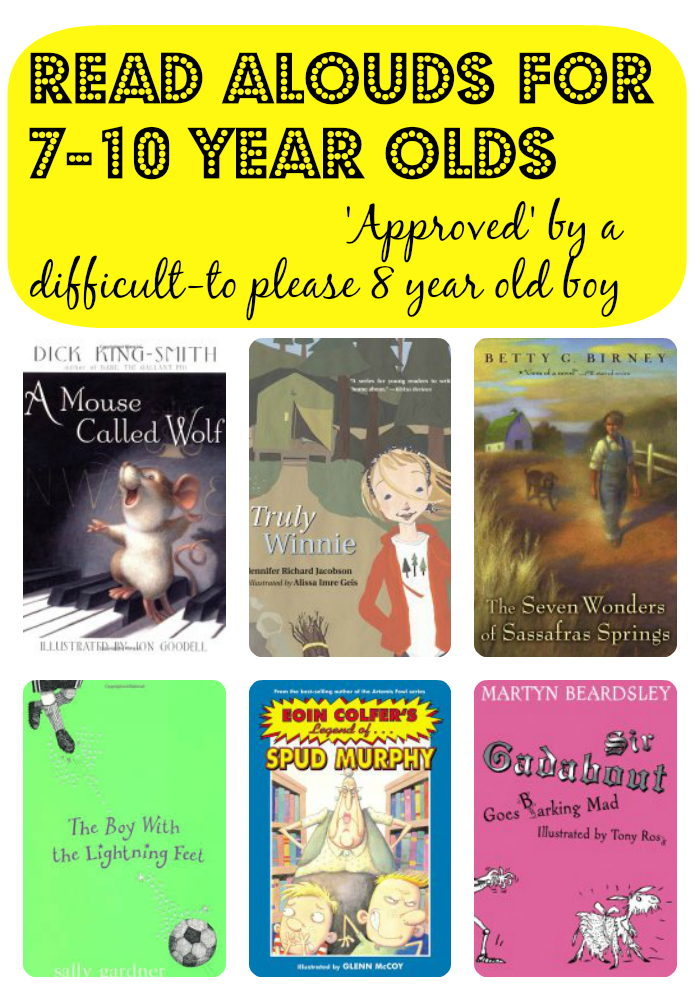
A grade two teacher recently wrote to me, hoping for some read aloud recommendations. She had already shared James and the Giant Peach by Roald Dahl, Freckle Juice by Judy Blume and Charlotte’s Web by E.B. White with her class. I replied to her and shared these suggestions – I have personally tested each and every one with a difficult-to-please eight year old boy.
Here are some of my suggested read alouds for 7-10 year olds
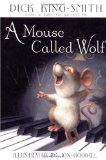
When looking for books to share with this age group, I would encourage you to take a look at Dick King-Smith’s books. King-Smith wrote Babe: The Gallant Pig and Ace: A Very Important Pig and numerous other wonderful animal stories. A Mouse Called Wolf is one of my favourites. It explores the love of music and also the loneliness that sometimes accompanies old age.
Reading one of Dick King-Smith’s books might launch a reader into his entire booklist.
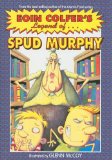
The Legend of Spud Murphy written by Eoin Colfer and illustrated by Glenn McCoy Chapter book for 7-10 year olds published by Miramax
My 8 year old and I enjoyed Eoin Colfer’s Legend of Spud Murphy and Eoin Colfer’s Captain Crow’s Teeth together. Both were good fun and will be enjoyed by 7-10 year olds. The Legend of Spud Murphy has a very good message about reading and books therefore, I chose it as my favourite. Eoin Colfer is the author of the Artemis Fowl series (for older children).
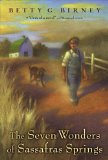
For something completely different, I like The Seven Wonders of Sassafras Springs . Here we have a young boy who reads about the Seven Wonders of the World and longs to explore the world outside his hometown. His dad agrees to send him on a trip but first he must find The Seven Wonders of Sassafras Springs.
There are all sorts of opportunities for extention activities, possibly building an entire unit around this book. Perhaps your students could be encouraged to find a ‘wonder’ all their own.
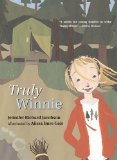
Winnie, Vanessa and Zoe are off to their first overnight camp! They’ll be away from home for two weeks – swimming, climbing, boating and making new friends. Winnie, whose mother died after she was born, knows all too well that she is different from other girls. When she is assigned to a tent away from her closest friends, she is forced to make new friends. When getting to know her fellow campers, Winnie tells of her mother’s many accomplishments and before long is caught in a web of deception.
I read Truly Winnie aloud to my eight-year-old son. When I suggested we give it a try, I thought he might resist because the main characters are all girls (imagine!) In fact, the camp theme and compelling story made the Truly Winnie a good choice for both boys and girls. Nominated for the 2004 Rhode Island Children’s Book Award and chosen by the School Library Journal for their annual Children’s Curriculum, Truly Winnie offers many opportunities for discussion including
How it feels to a be a ‘third wheel”
How being away from home changes the campers and
Why Winnie feels she must invent a mother
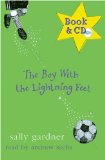
The Boy with Lightning Feet – written by Sally Gardner and illustrated by Lydia Corry Chapter book for 7-10 year olds published by Orion Children’s Books
Timmy Twinkle has lived with his grandfather since his mom left the family and moved to Spain. The loss of his mom leaves Timmy feeling empty. He tries to fill the void with food and before long he is chubby, friendless and a target for bullies.
Timmy dreams of playing football (soccer), but his weight problem renders him clumsy at sports.
When a friend comes to stay with Timmy and his grandfather, she shares her passion for physical fitness. Before long Timmy is lean and ready to discover the magic in his toes.
Part of Ms. Gardner’s Magical Children series, The Boy with Lightning Feet will hold a special appeal for football (soccer) players and children who lack confidence in their own magical qualities. It was a definite winner in our household.
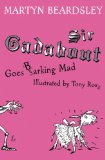
Sir Gadabout Goes Barking Mad – written by Martyn Beardsley and illustrated by Tony Ross
Sir Gadabout holds the dubious title of Worst Knight in the World. When King Arthur dispatches him to collect Merlin and deliver him in time for the Magic World Cup, Gadabout and company encounter Demelza and Morag, two decidedly wicked witches. Before long, Gadabout is convinced that the witches have turned Merlin – reining world champion wizard – into a talking dog.
Great fun here for young readers and their parents to enjoy together. Read it aloud and enjoy the inside jokes.
As a teacher and a mom, I want to see kids succeed. I want to see them achieve success and push past it to the next level, particularly in reading. When getting kids to fall in love with reading you have to keep a couple things in mind:
a) You have to (help them) find books that interest and appeal to them
b) You need books that they can read and understand independently without frustration
Once you have done both of these things, the chances of success in reading, and in turn, the love of reading, increase greatly. My favourite moment is when it clicks~ they understand what they are reading and they want to read more. It’s been an absolute pleasure to watch our eight year old develop not only a love of reading and books, but to become a strong reader. However, she is now reaching a difficult stage; one I didn’t expect to encounter even though I have watched her excel in reading. What happens when children know what interests them but what they are capable of reading academically and independently surpasses what they should be reading emotionally?
Striving for independence, my daughter recently convinced me to let her go to our school book fair alone, with her own money to make her own choices (By on her own, I mean I didn’t go into the book fair with her but since I work there, I was close by). When she showed me what she had chosen, I knew I was stuck with a dilemma. She had chosen a book that dealt with adolescent friendship, middle school, and a crush on a boy. She used my ‘a/b’ theory and found something that appealed to her and was within her reading range. For some kids though, like my daughter, what she is able to read and what she should be reading are two entirely different things.
While we are ecstatically proud that she is reading at a grade six level in grade two, it does present some problems, even if the grade level and ability level gap is smaller. An author’s goal is to speak to their audience; to engage and captivate them. They build their plots and characters based on their (anticipated) audience. Therefore, an author writing books for the typical grade two/three student would appeal to their developmental stage. Some great books in this age range (at least for my girls) are theDaisy Meadows Rainbow Fairies collections, the Nancy Drew Clue Crew series, or the Bailey School Kids. These books appeal to this audience with their age appropriate characters solving problems, working on mysteries, and going up against mythical or magical figures. In grades two and three, the problems our kids are facing (hopefully) include getting out for recess fast enough, snagging one of the three skipping ropes available, or not being it for tag. It’d be nice if problems could stay this simple, but they don’t and as kids mature, so do the books that appeal to them.
A grade six student, by contrast, is caught up in an entirely different world that includes best friends that come and go, crushes on boys, and dealing with self-image. Accordingly, books that appeal to this age range deal with these issues. Coming of age classics like Little Women by Louisa May Alcott or Are you there God? It’s me, Margaret by Judy Blume perfectly highlight some of the trials girls this age face. And while I truly want my daughter to read these books, or even the one she chose from the book fair, I’m not ready for her to wonder about these ‘issues’. So, I’m faced with deciding whether or not to let her read books past her maturity level to accommodate her ability level.
I suppose it’s like anything else with parenting; I take a look at her choices and make the best judgement call I can. For me, I’m hoping that keeping the conversation doorway open is the answer to finding balance. Discussing what your child is reading is a key to helping them develop as fluid readers. So, while I don’t want her to have a crush on a boy, I’m fine (so far) with explaining what it means and talking to her about the issues her characters are facing. Perhaps it’s a plus that right now she’s hooked on the Goddess Girls series by Joan Holub and Suzanne Williams. I don’t think I’ll have to worry about any boys from the Underworld popping up with their three headed dog any time soon.
It’s safe to say that reading a book that you can relate to provides a more enjoyable read. Add humour, sibling rivalry, sibling loyalty, and a little competition just makes it better. In The Lemonade War, Jacqueline Davies has created a book that not only encompasses all of these elements, but speaks to a variety of age groups. While her story details the ‘battle of the stands’ between brother and sister, Davies weaves in the topics of friendship, determination, ambition, and forgiveness. She does so through realistic characters, funny dialogue, and a number of interesting situations that the kids find themselves in as a result of their war.
Evan Treski loves and even likes his little sister…most of the time. Jessie Treski idolizes her big brother. While she is smart enough to skip a grade and go into grade four, the same grade her brother is going into, she knows that she’s not the best ‘people person’. That’s Evan’s gift; hers is math. When the two find out they will not only be in the same grade, but the same class, Jessie thinks this will just make things easier for them. She’ll help Evan with math and he’ll help her with friends. Evan feels differently. He’s mortified. How can he possibly go into the same class with his baby sister? How can he keep his friends if they find out how dumb he is compared to her? Rather than telling each other how they feel, they embark, in typical sibling fashion, on an entrepreneurial war. They will see what matters more; people skills and flexibility or strategic plans and organization. One of them will win The Lemonade War, but both of them are willing to do almost anything to come out ahead.
As a teacher, I thought this was a fun, light, close-to-summer read. Though it’s not new, I hadn’t heard of it and I didn’t expect to enjoy it nearly as much as I did. Once I read it to my grade five class, who enjoyed and connected with the sibling rivalry, I brought it home to read to my 8 year old daughter. Re-reading it, this time as a mom, I was able to connect to it on a new level. My 8 year old reminds me of Jessie with her thorough plans and detailed organization. My 5 year old daughter reminds me of Evan, with his charm and easy social skills. It was easy to imagine the two of them participating in a Lemonade War of their own. Jacqueline Davies realistically portrays the feelings of her main characters, making you connect with both Evan and Jessie. That connection has you turning the pages, unsure of who you want to come out the winner!
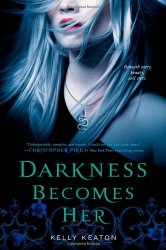
Darkness Becomes Her – written by Kelly Keaton Gods and Monsters Young Adult Series published by Simon and Schuster
Ari feels lost and alone. With strange teal eyes and silver hair that can’t be changed or destroyed, she has always stood out. And, after growing up in foster care, she longs to have a sense of who she is. But, after uncovering a message from her long dead mother and an ominous attack, Ari knows only one thing: she must travel to the rebuilt city of New Orleans. Upon arriving in New Orleans she discovers that New 2 is very… different. Here, Ari is normal. But every creature she encounters here seems to be afraid of her. Ari won’t stop until she finds out who she really is. But some truths are too horrifying to be revealed…
This was one creepy book and I loved it. This book is mysterious, keeping you always guessing, as well as being well written. It took mythology and urban legends and turned them into something very different. I would recommend this book to anyone who likes creepy books, fantasy, and urban legends of Greek mythology.
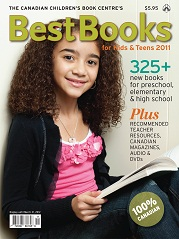
The Canadian Children’s Book Centre has just published their 35th annual guide to the best books for children and young adults. Best Books for Kids & Teens 2011 will be a wonderful resource for parents, teachers, librarians and caregivers. The guide highlights more than 325 titles for young readers (toddler to teen).
All of the titles in Best Books for Kids & Teens have been handpicked by expert committees of educators, booksellers, school and public librarians from across Canada. The reviewed materials include picture books, audio books, graphic novels, and teen fiction.
I was privileged to chair a CCBC Best Books committee in 2010 and know that committee members show great care in selecting the best new titles. I can recommend this publication without hesitation.
Best Books for Kids and Teens can be purchased at select bookstores and online.
Fanatics – written by William Bell Young Adult Fiction published by Doubleday Canada
My thirteen year old son plays rep hockey and, as a consequence, I spend a fair amount of time in the car enroute to games and frequenting ice rinks. I do my best to always have at least one book with me when his games are ‘on the road.’ Recently, my book of choice has been Fanatics. At once intriguing, horrifying and fascinating, William Bell’s follow up to Stones has had me engrossed. I don’t normally refer to books as “creepy” but not long ago, I was reading while we were being driven to a game by my husband, I described a passage as “creepy.” My not-easily-impressed thirteen year old left winger said, “Really? Let’s hear it.” I obliged and read the passage from Fanatics aloud. When I finished reading, no one said a word. Obviously, the book had met the “creepiness” quotient and my thirteen year old was suitably impressed. Thank you Mr. Bell.
Garnet Havelock has finished his apprenticeship and he is keen to begin work as a cabinetmaker. A chance conversation in a coffee shop leads to an offer he can’t resist. He signs a contract with mysterious Valentina Stoppini: he will be allowed to set up his workshop in a coachhouse on the Corbizzi property. In exchange, he promises to repair and catalogue the mansion library. Garnet and his girlfriend, Raphaella, are soon at work in the library but they are not alone, and cannot shake the feeling that danger lurks in the ominous room.“Every house has its own night noises, and the older the building the more it seems to creak and groan, like an old dog getting comfortable in his basket. The Corbizzi mansion was no different. And if you had a big enough imagination, every squeak and crack had a sinister cause – a malevolent intruder creeping slowing up the stairs, an evil spirit bent on revenge pushing open a door. What is there about the dark that awakens primitive images and drags them to the surface of your mind?”
This is a captivating story that teens will thoroughly enjoy. I rather suspect it will be best understood by my sixteen year old but feel equally confident that my thirteen year old will reach for it (when he is feeling brave) over the summer months.
My thirteen year old son knows exactly how to extend his bedtime. It involves picking up a book, turning on his bedside lamp and gazing at us with puppy dog eyes. “Please let me finish this chapter. I know you want me to read.” He’s right. Reading has always been a priority in our household and enjoying a chapter or two at bedtime is pretty tough to argue with. Tomorrow, we are off to pick up Rick Riordan’s latest because due to my error it is not yet in the house. I’m not complaining, I know that raising boys who love to read can be a challenge. We’ve had our moments but, thanks to Rick Riordan, Michelle Paver, Kenneth Oppel, J.K. Rowling and others, we are fortunate that both our sons love to read (especially at bedtime).
This afternoon, before the boys arrived home from school, I had a chance to check out Pam Allyn’s Best Books for Boys – How to engage Boys in Reading in Ways that Will Change Their Lives
Pam Allyn is the Executive Director of LitWorld and the author of a number of books including What to Read When. These are both books that should be on every teachers’ bookshelf and tucked into every parent’s bag of tricks. In Best Book for Boys, Allyn answers frequently asked questions about boys and reading, she also describes the keys to raising children who love reading; ritual, environment, access and dialogue.
After making a strong case for rethinking widely accepted ideas about how children ought to read and what they ought to be reading, Allyn provides an extensive, annotated reading list that has been labelled for emerging, developing and maturing readers. Whether seeking a title for a boy who enjoys action and adventure, humor or mechanics and technology, there is something for even the most reluctant reader.
This is a great resource for families and teaching professionals, highly recommended.
As an Amazon Associate I earn from qualifying purchases.
Links to our Free Printables
Links to Seasonal Themes
Links to Special Themes
Links to Our Favorite Series
Disclosure –
We NEVER get paid to review products on this site.
In some cases, I receive books to review free of charge. In other cases I review books that I have purchased or have borrowed from a public library. Whether I receive a book free of charge or not does not influence my review.
If you have questions or concerns about our policies, please do not hesitate to email for details.



 I read and enjoyed both books. Likely intended for children who are reading at about a grade two to three level, the series is generously illustrated and quite exciting. Extra features include additional facts, an interview with the author and a preview of the next book in the series for grade two. It is great to see a series like this. The Canadian Flyer Adventure series will be enjoyed by young readers everywhere but will have a special appeal for Canadian children and those who gravitate toward history or time travel.


 introduces three siblings who travel with a barnstorming baseball team, The Travelin’ Nine.




 by






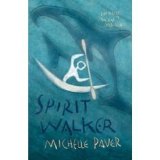
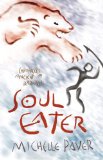

 , Spirit Walker and Soul Eater sat unread on my bookshelf for far too long. These days, they are rarely in my office. These are the first three titles in a terrific series for middle grade readers. I have loaned each of them to many, many kids and, without exception, the books are devoured and the series is completed.




























 . So to this end, I am eternally grateful for the graphic novel.
 ,
 ,
 , and
 . You can find graphic novels that teach history and science or tell tales of favorite super-heroes. This is a huge market and it gets bigger every day. Kids are drawn to the way stories are told in speech bubbles and brief text boxes. For the reluctant reader, this genre can make reading at a lower level more appealing and less intimidating, while still managing to fit within socially acceptable appearances. That is not to say this is the best or the only form of getting kids on board with reading. In fact, it’s important to remember that getting a kid to love reading is going to depend entirely on the child in question. If the interest starts with reading the subtitles in non-fiction while looking at pictures or flipping through
 , so be it. Once they begin gravitating toward reading and changing their feelings toward the activity, making further inroads becomes easier.



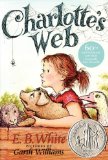

 by Judy Blume and



















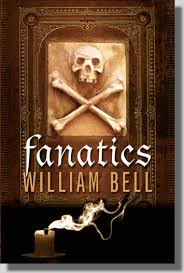

 . At once intriguing, horrifying and fascinating, William Bell’s follow up to Stones has had me engrossed. I don’t normally refer to books as “creepy” but not long ago, I was reading while we were being driven to a game by my husband, I described a passage as “creepy.” My not-easily-impressed thirteen year old left winger said, “Really? Let’s hear it.” I obliged and read the passage from Fanatics aloud. When I finished reading, no one said a word. Obviously, the book had met the “creepiness” quotient and my thirteen year old was suitably impressed. Thank you Mr. Bell.

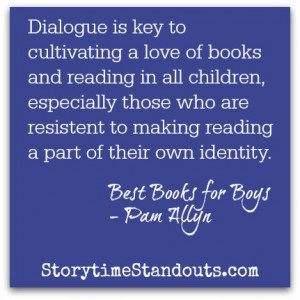
 . These are both books that should be on every teachers’ bookshelf and tucked into every parent’s bag of tricks. In Best Book for Boys, Allyn answers frequently asked questions about boys and reading, she also describes the keys to raising children who love reading; ritual, environment, access and dialogue.